Octoblur 2026: Weird Woods & Wild Women

Octoblur 2026: Weird Woods & Wild Women

Written by dorrk
30 September 2026

The Octoblur Horror Movie Marathon is back, and this year (our 13th!) we will be exploring two of nature's deadliest wonders: the woods and women.


Nature TrailS to Hell

As offensive as it may sound, I truly loathe the woods. The concepts of hiking and, worse, camping are terrifying on their own, so it's only fitting when horror movies pair those activities with machete-wielding maniacs or demonic freaks. We're going to call this theme "Nature Trails to Hell." It may diverge from forests into other natural hellscapes, such as jungles (which are basically wet forests! Ick!), deserts, mountains, oceans, or just rural areas; but it will be primarily focused on the more sensational reasons why no one should spend any time in the woods (as if spending time in the woods wasn't already a miserable enough prospect).

As usual, the goal of this project is not to merely restate the already well-known titles that fit this theme, but to explore its more obscure gullies — while also addressing some of my blind spots and maybe taking a new look at some things that have become fuzzy over time.

Here are some of my favorite movies about (even more) horrible things happening in (already) horrible naturescapes; we likely won't be watching many of these this month, because I already adore them!
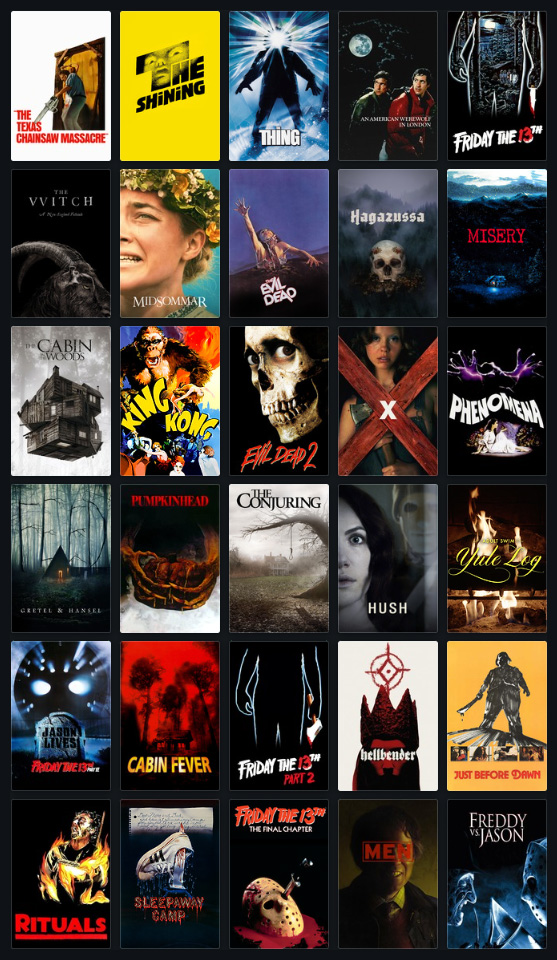
Favorite horror movies about why people shouldn't venture out into nature or rural areas.


Weird, Wild & Wicked Women

Quite the opposite of my feelings about the woods, I love women, which is maybe what makes them even more terrifying — especially when they are pointing shiny knives or doing gross magic. There's almost nothing as potent in a horror movie than watching a blood-smeared woman lose her mind and/or exact some kind of often-disproportionate revenge, and I hope to see quite a bit more of that this Obtoblur!

Here are some of my favorite scary women; again, it's unlikely we will be watching any of these this month, but rather we hope to find new movies to add to this exalted list:
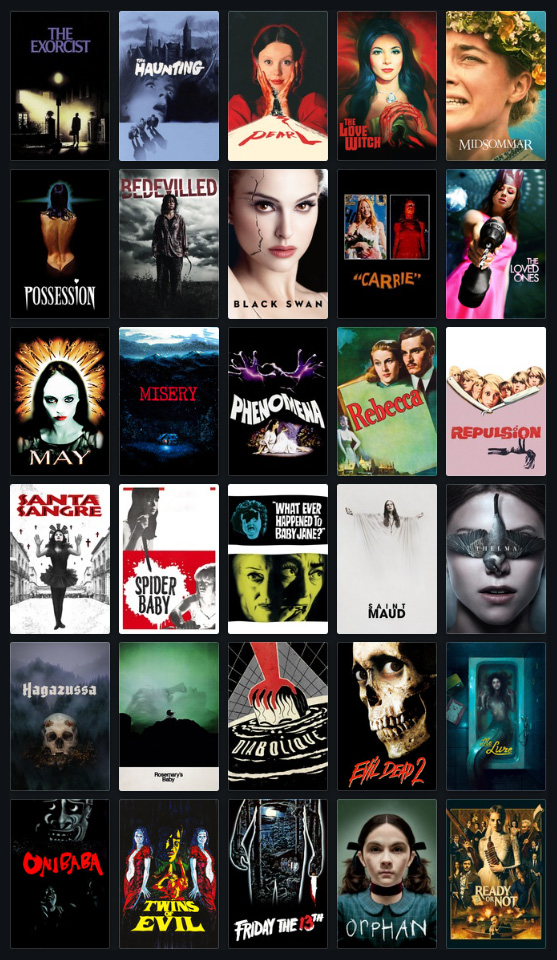
Our favorite scary women from horror movies.


AND ALSO...

There will also be some random odds-and-ends thrown in for variety. I like to watch classic horror movies with friends who don't like horror; I like to watch new horror releases; and I also have tickets to nine repertory horror screenings that may or may not fit the themes above.


You can follow me here or on Substack to find out how all this plays out.

Octoblur 2026: Weird Woods & Wild Women

All OCTOBLUR 2026 Movie Reviews

Octoblur 2026 #13: Sex of the Witch (1973)

Directed by Angelo Pannacciò
Ranked 6.90% on Flickchart
Watched: 2026/10/06
Sex of the Witch (1973) is light on the witch but heavy on the sex. For that matter, it’s light on everything except the sex. I’m no prude, but the sex gets boring pretty quickly when the plot is incomprehensible and the characters are indistinguishable from each other. I like to know who's sexing who and why, but that's a bridge too far for this low-effort from director Angelo Pannacciò. Ostensibly, this one of those “the killer is someone in this room!” murder mysteries, as someone is picking off heirs gathered to vie for the family fortune. The problem is that you don’t really know or care who anyone is, except that three of them had an orgy here that went on forever, and then more of them went to a sex club, and for some reason that scene was projected onto the wall instead of seen live. I thought that might be explained at some point. It wasn't. Unusual for giallo-adjacent Eurosleaze, neither the visuals nor the murders are creative (but the music was jaunty, so there’s that). It was extremely difficult to pull images from this movie, as there were no interesting moments or cool shots. It will take some work to find something worse than this to watch this month.

Octoblur 2026 #12: Witchhammer (1970)

Directed by Otakar Vávra
Ranked 57.28% on Flickchart
Watched: 2026/10/05
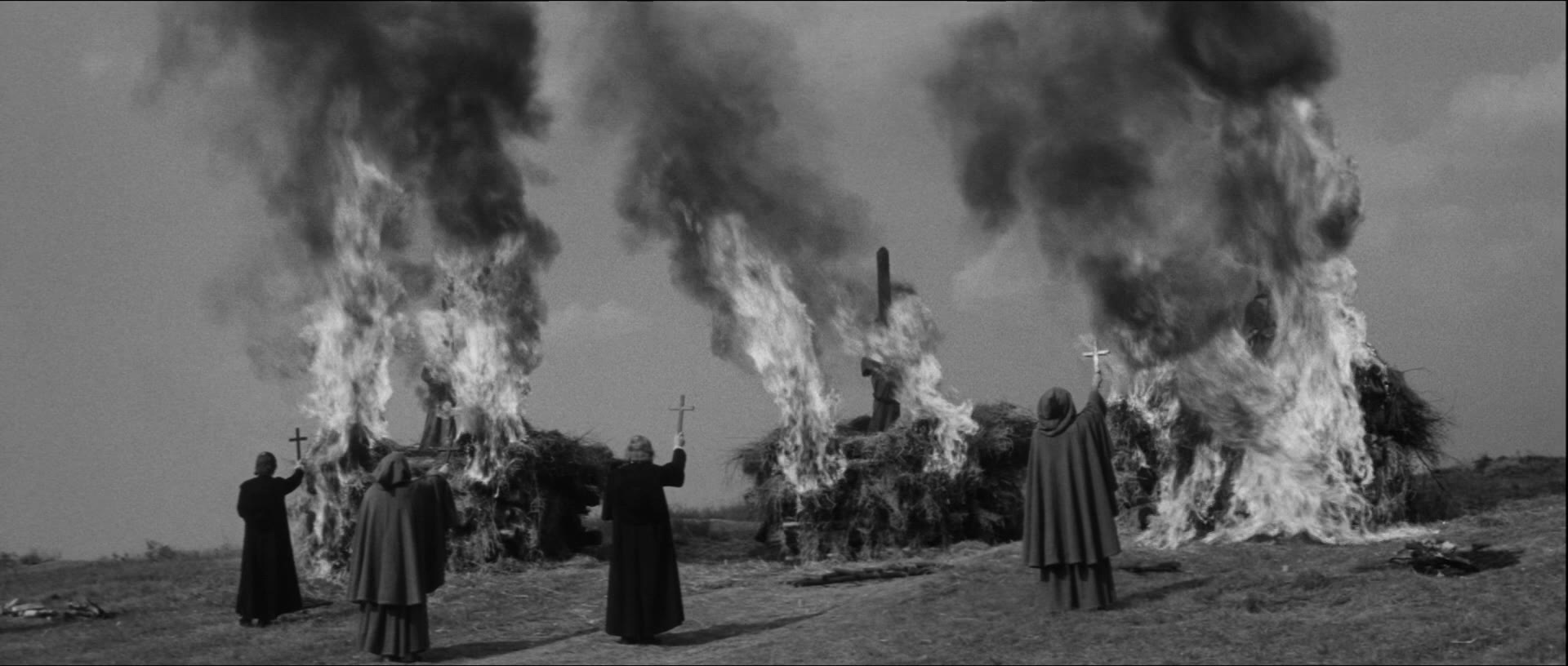
In case we were having too much fun, let’s bring in the absolute downer known as Witchhammer (1970). Otakar Vávra’s historical drama about 17th century Moravian witch trials is handsome and austere, and tells the all-too-common story of wealthy aristocrats tearing a hole through a community by persecuting “witches.” Fueled by envy, greed and lust, an unrestrained judge (Vladimír Šmeral) uses torture to extract confessions, and anyone who questions his methods also gets implicated in devilry. It’s very well-made, with strong performances, but does it add anything new or different to our understanding of this period in time? Not really. Contextually, it also reflects on the Soviet invasion of Czechoslovakia in 1968, and was quickly yanked out of theaters. Some of the torture props used were authentic, loaned to the production by a museum, and some of the dialog was lifted directly from 16th century court documents. Good movie, but low on the fun-scale.

Octoblur 2026 #11: Demon Witch Child (1975)

Directed by Amando de Ossorio
Ranked 23.79% on Flickchart
Watched: 2026/10/05
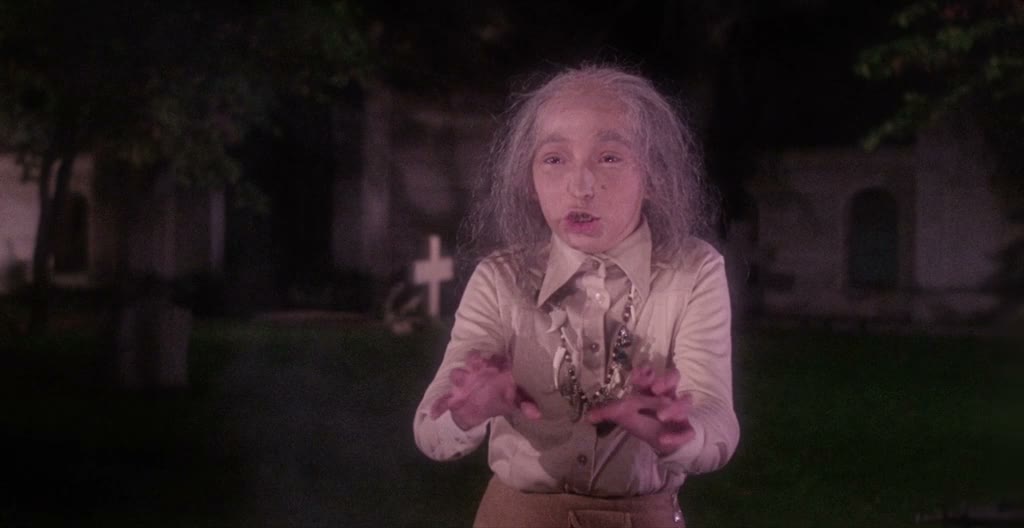
One of a legion of The Exorcist (1973) clones that came out of the European exploitation market during the 1970s, Demon Witch Child (1975; a.k.a. The Possessed) puts some admirable effort toward becoming its own thing, as lousy as that is. A mean gypsy witch who is up to some unintelligible mischief, is arrested by police and commits suicide – but her soul is transferred into the body of a 12-year-old girl, who must continue the witch’s evil schemes. It’s a little fun to watch young Marian Salgado be rude to adults and occasionally slip into old crone makeup, but she rarely gets up to anything reprehensible. OK, she does briefly gnaw on the arm of a sacrificed infant, and tries to sacrifice another, but those quality moments are fleeting. Spanish director Amando de Ossorio, for some reason, decides that what this movie needs most is a subplot about a priest who learns that the woman he scorned to join to the church has become a prostitute. Credit for thinking outside the box, I guess, but it just tacks more time onto an otherwise loooong 90-minutes. I watched this badly dubbed by horrible voice actors, which may have made it a little more fun.

Octoblur 2026 #10: Queens of Evil (1970)

Directed by Tonino Cervi
Ranked 43.70% on Flickchart
Watched: 2026/10/04
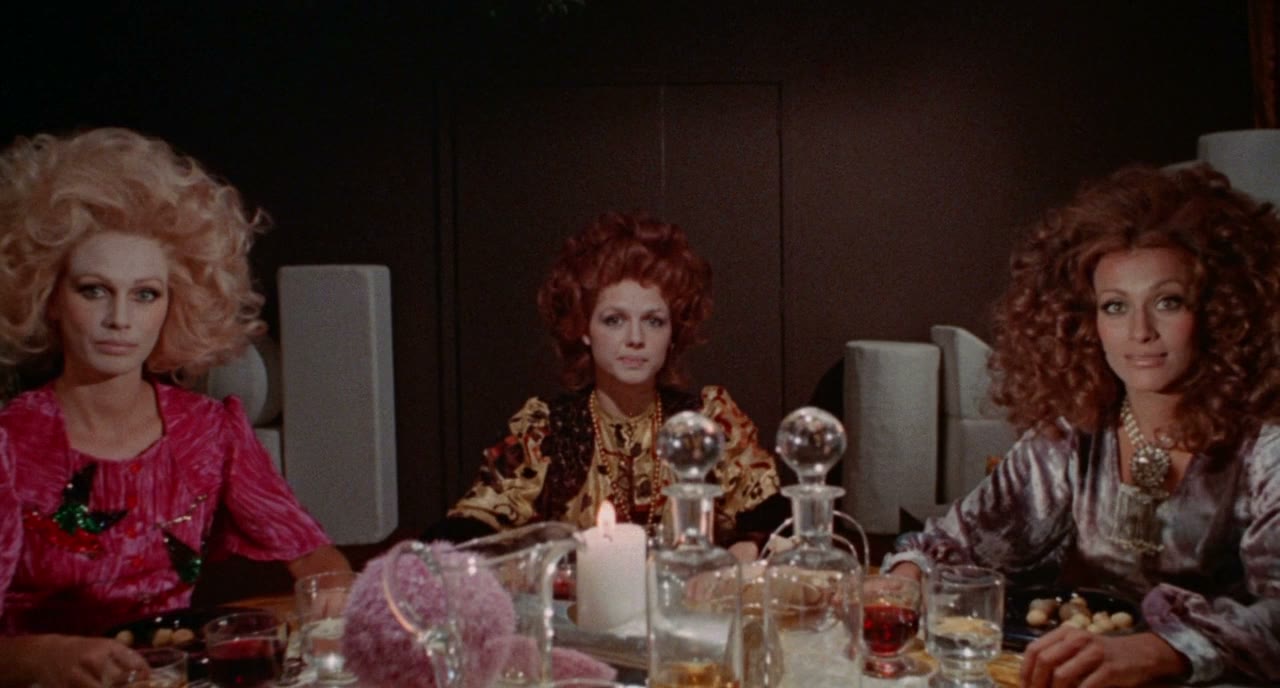
I was hoping for a little Eurosleaze spark in Queens of Evil (1970), but Tonino Cervi’s movie about a free-spirited young man who gets ensnared by three odd sisters living in the woods is fairly uneventful, despite its attractive production design. Haydée Politoff, Silvia Monti, and Ida Galli strike an image as the titular “queens” (they’re more like aspirational aristocrats), but for more than an hour they do little but seduce and confuse poor David (Ray Lovelock) in and around their picturesque cabin. The climax gives the story a bit more weight, but barely; it would’ve been nice to have more of that sinister conspiracy and less of the sisters’ inefficient mischief. Aside from the final minutes, the scariest thing about Queens of Evil is David’s ludicrous attempt to sing opera while in the bathtub. Has he ever heard opera? However, as with a lot of these minor European horror oddities, it looks great and the music is fun.

Octoblur 2026 #09: Season of the Witch (1973)

Directed by George A. Romero
Ranked 39.72% on Flickchart
Watched: 2026/10/04
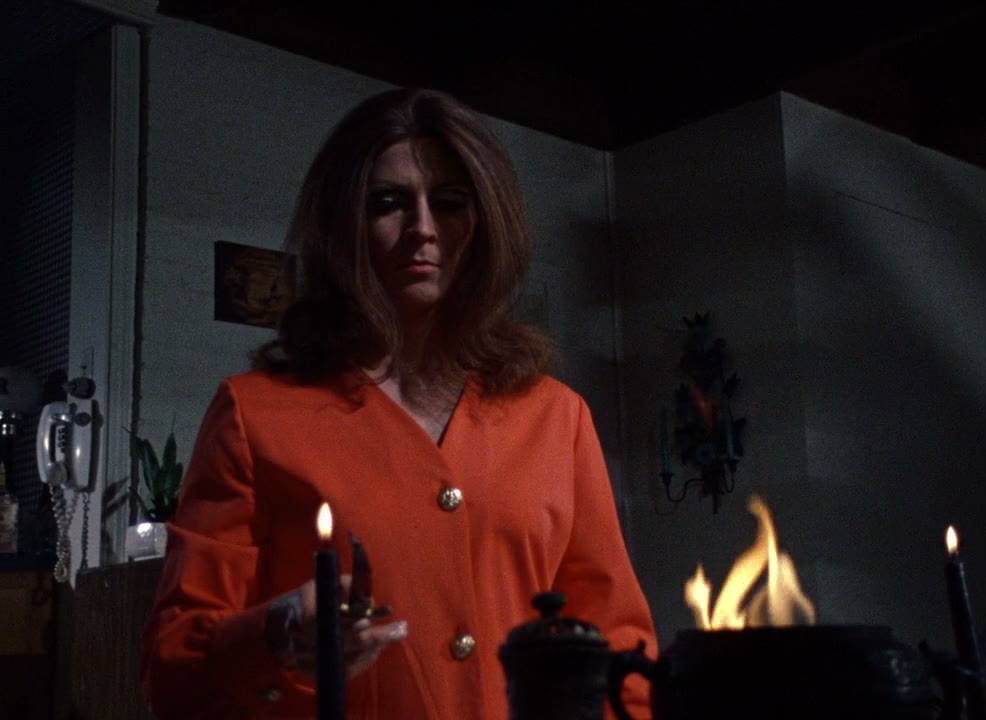
George A. Romero followed up his surprise hit Night of the Living Dead (1968) with a romantic comedy, There's Always Vanilla (1971), and when that failed, he turned back toward horror but didn’t exactly dive in head-first. Season of the Witch (1973; a.k.a. Hungry Wives) is a drama about Joan (Jan White), a dissatisfied middle-class housewife during the counter-cultural upheaval of the early 1970s. Her workaholic husband is obtuse and abusive, her teenage daughter is sexually active, and all of Joan’s fellow well-to-do friends are titillated by free talk of drugs, sexual liberation, and the occult, but few would dare to dabble. Joan decides to become a witch, starting with a spell to seduce her daughter’s smug college friend. I’m not the biggest Romero fan; I like his ideas more often than I appreciate their execution. I know he was constrained by budget during this early period, but his casting is awful and he has none of the fluid, freewheeling style of his New Hollywood cohorts. He tends to pick unlikable actors and puts them through stiffly conceived situations. White is too grumpy and cold to carry a narrative, and the only spark in the film comes when Donovan’s song of the same title plays on the soundtrack. I did like that Joan has a recurring dream during which she is assaulted by a stranger wearing a mask from the Mexican monster movie The Braniac (1962), which I am seeing theatrically later this month, but that’s unlikely to resonate with others. Season of the Witch is not bad as a quasi-feminist kitchen sink drama with a splash of the occult, but it is ugly and it takes its sweet time doing very little. It’s also perhaps better paired with other mid-life crisis movies of its era like Diary of a Mad Housewife (1970) and Taking Off (1971) than with other witchy movies.

Octoblur 2026 #08: The Witches of Eastwick (1987)

Directed by George Miller
Ranked 90.26% on Flickchart
Watched: 2026/10/04
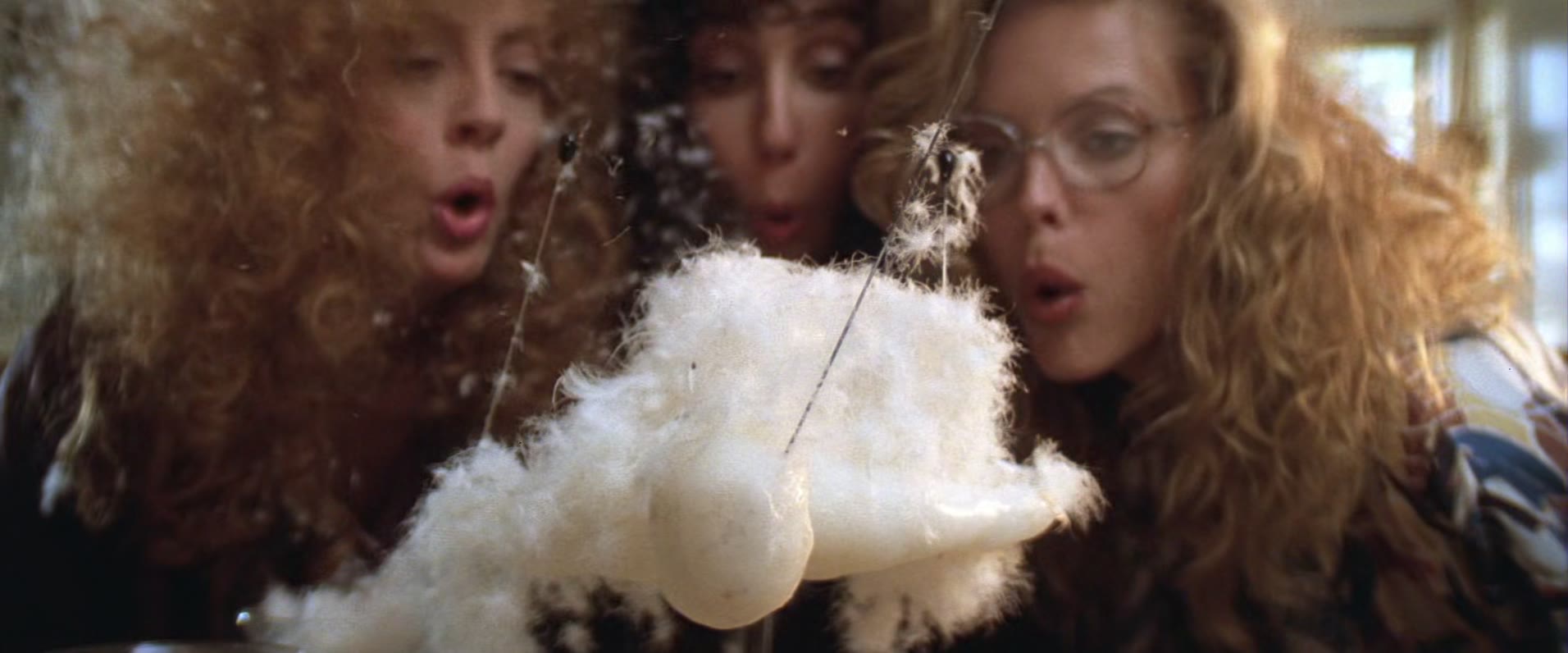
While I praised The Craft (1996) for not being a candy-coated sop to mainstream tastes, The Witches of Eastwick (1987) is pretty much as bubblegummy as Hollywood gets — and yet it still soars thanks to some major star power and a fun script that mostly neuters the substance of the John Updike novel it adapts. A trio of single women — Cher, Susan Sarandon, and Michelle Pfeiffer — in a small New England town start to realize that, when together, they have the power to make things happen. One drunken night, they concoct their ideal man, and he arrives in the form of Jack Nicholson, at his most charmingly repulsive. It's been decades since I read Updike's novel, but I would bet that its sexual politics make more sense than the remnants in Michael Cristofer's screenplay, but the cast is so fun, and George Miller's direction is so spiky, that it doesn't really matter. Nicholson ranges from a petulant, horny mischief-maker to a growling homunculus, and he had few better scenes in the 1980s than when he's spitting feathers and cherry pits in a church and demanding an answer from the astonished parishioners: "Women — A mistake? Or did he do it to us on purpose?" Yes, the ending is extremely silly, and some plot elements are built up only to fizzle, but the locations and production design (and the John Williams score!) are stellar. This may be a confection wth zero dietary value, but it tastes fantastic while it lasts.

Octoblur 2026 #07: Suspiria (1977)

Directed by Dario Argento
Ranked 70.31% on Flickchart
Watched: 2026/10/03
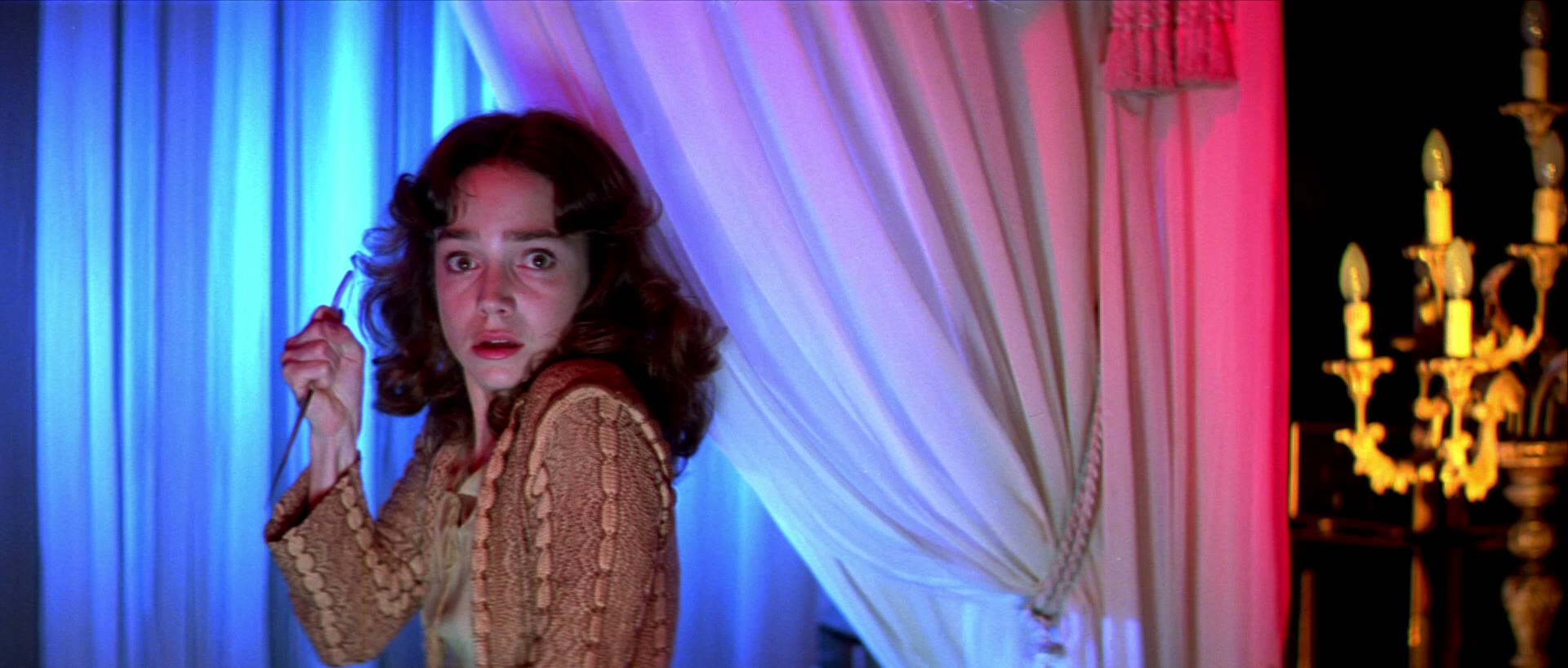
Here’s where I get to be both a horror heretic and get on my annual soapbox about Italian horror movies: Dario Argento’s beloved Suspiria (1977) is a pretty big let-down. I’ve seen it five or six times, and rarely remember anything about it except for its great score by the band Goblin, Argento’s wild colors, and Jessica Harper’s searching eyeballs. Like most Italian horror from the 1970s-80s, Suspiria is a mood piece that pretends to be a narrative, and it has moments when the mood really sings... but it seriously drags in the second act, and the third act is completely inert. Even the “shocking” ending amounts to nearly nothing. Luciano Tovoli’s cinematography is always tasked with rescuing the lack of narrative propulsion, but the film’s greatest strength is Harper – it never gets old watching her look frightened or confused by the strange goings-on. The movie really sags whenever she’s absent; that’s when it becomes most noticeable how most of its scenes are drawn out long past their potential for suspense. This isn’t to say that I don’t enjoy Suspiria, but I enjoy remembering a few brief moments more than I enjoy the entire film, and the Goblin score is really better than most movies all by itself.

Octoblur 2026 #06: Black Sunday (1960)

Directed by Mario Bava
Ranked 84.29% on Flickchart
Watched: 2026/10/03
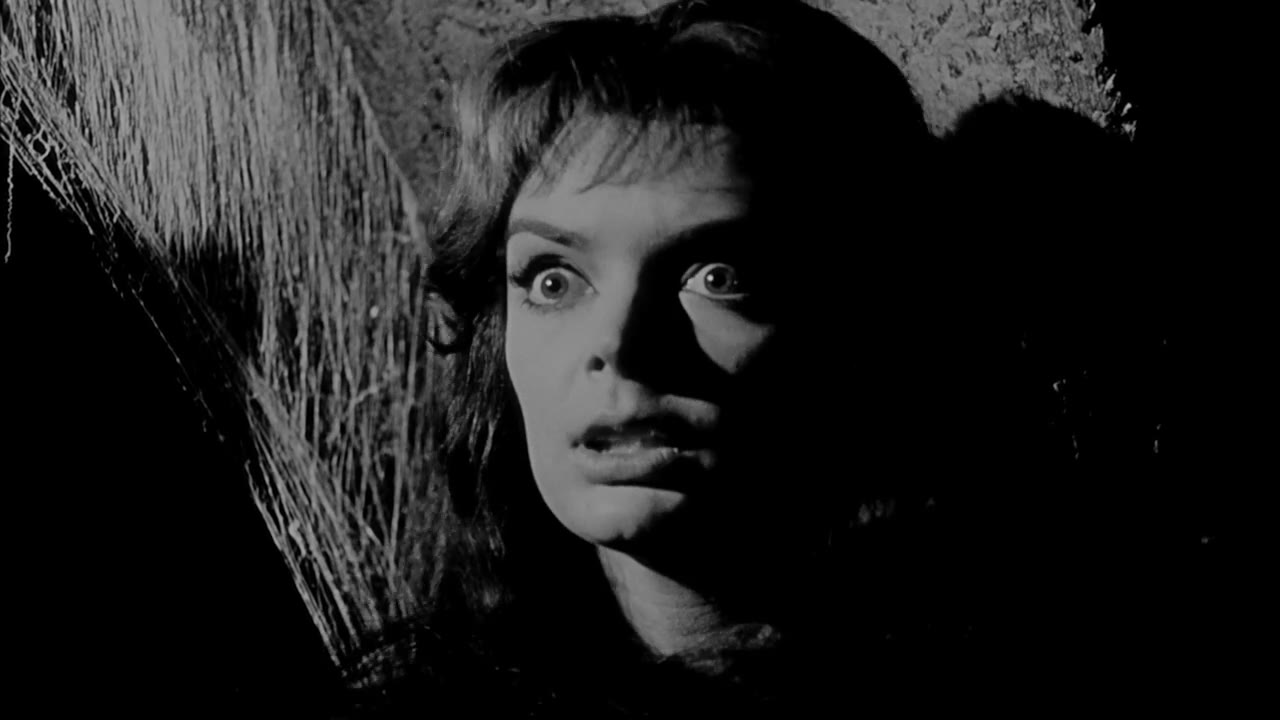
The first five minutes of Black Sunday (1960) may be the best filmmaking I see this month, and the rest of it is pretty good, too. Barbara Steele stars as a 17th-century princess who is executed for witchcraft, but this punishment only lasts for 200 years, when someone meddling with her tomb inadvertently gives the refreshed witch a chance to seize the body of a lookalike descendant. There is maybe no better exemplar of dark, gothic black-and-white horror atmosphere than this, Mario Bava’s first full directorial credit. Bava would go on to become a horror legend for his striking color work in his later films, but this is my favorite. Black Sunday (aka Mask of the Demon) has what a lot of Italian thrillers lack: a coherent plot. I would like to credit this to the source material, a story by the great Russian author Nikolai Gogol, but it bears little resemblance to the story or the great Russian horror film, Viy (1967), which is more directly based on Gogol's work. Nevertheless, it is filled with moments of shock and dread, and maintains interest in between. Steele is a fairly unique horror queen, mixing unusually sharp-edged beauty with an otherworldly and foreboding aura, and the dual role here allows her to make the most of both. She really knows how to sell a meaty line like, “And now you shall enjoy a beautiful life of evil and hate in me!” Solid classic horror and visually stunning.

Octoblur 2026 #05: The Craft (1996)

Directed by Andrew Fleming
Ranked 57.76% on Flickchart
Watched: 2026/10/02
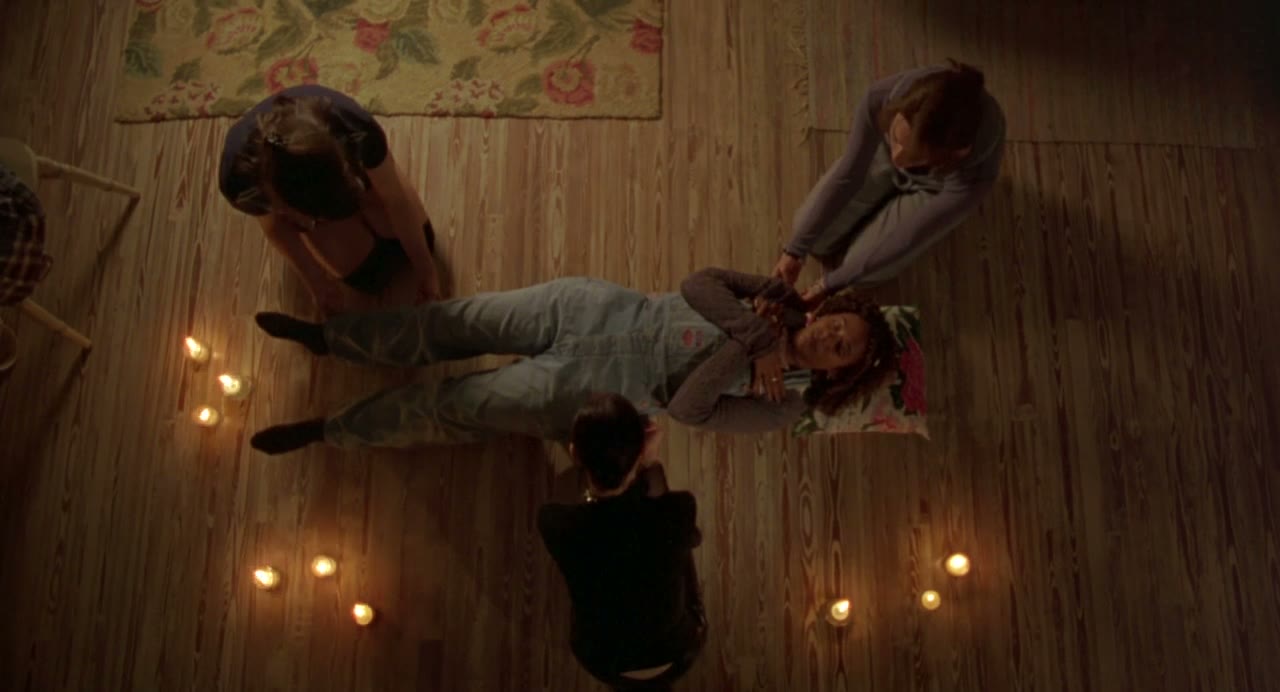
I skipped this teen witch drama in the 1990s, feeling like in my early 20s I had aged out of its target market, but looking at The Craft (1996) now, it’s far less candy-coated and mainstream-safe than I expected. The plot could be used in a bubblegum teen comedy: A girl with supernatural powers moves to Los Angeles and falls in with a witchy clique at her new school, and the foursome quickly becomes a potent coven drunk on their growing powers. But The Craft deals with some really depressing subject matter – teen suicide, date rape, child abuse, racism – and not in a sensationalist manner. The four actresses – Robin Tunney, Fairuza Balk, Neve Campbell, and Rachel True – are charismatic enough to keep watching as their characters become nastier, and although the ending becomes less interesting as it devolves into hacky action, I can see why this is a favorite of gothy teen girls from the era. It takes its characters seriously, which is rare and effective.

Octoblur 2026 #04: Invasion of the Body Snatchers (1956)

Directed by Don Siegel
Ranked 91.36% on Flickchart
Watched: 2026/10/02
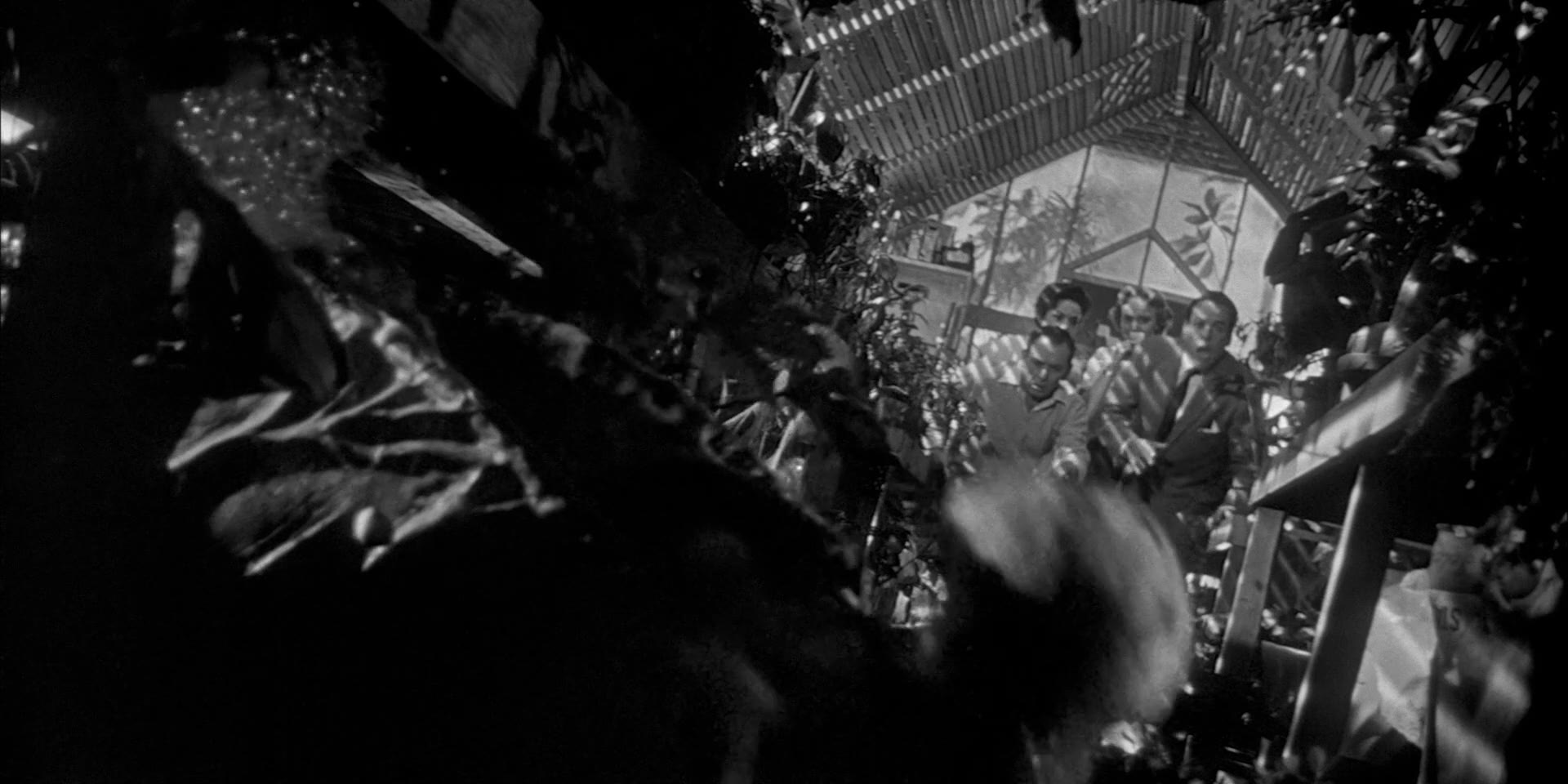
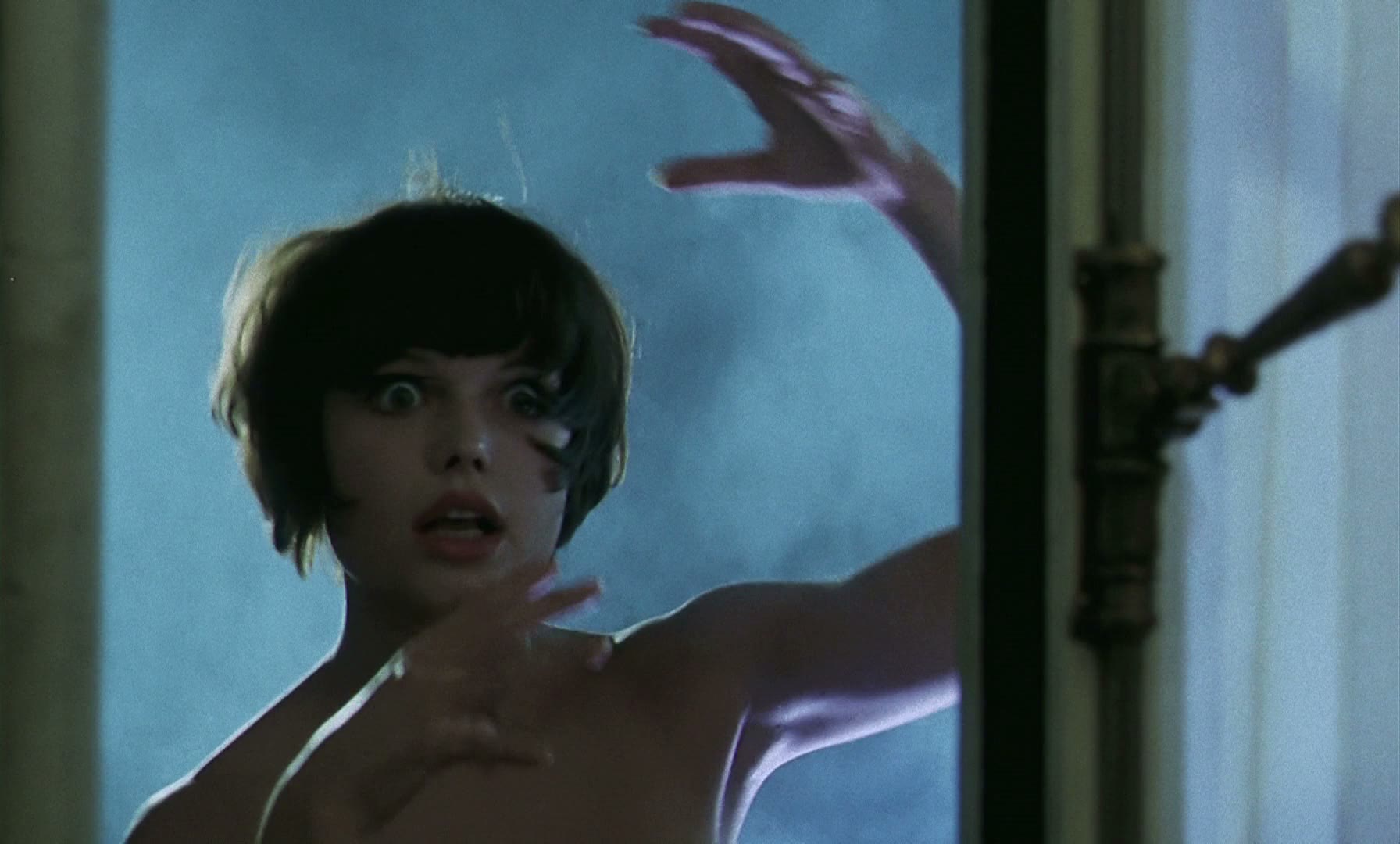
Every weekend, I share classic horror movies with a group of friends, and this weekend we watched the original Invasion of the Body Snatchers (1956), which I previously reviewed during Octoblur16. In the last 10 years, I have watched more and more black-and-white movies, and Ellsworth Fredericks’ cinematography is still among my favorite from any film of any genre. It looks as stark and cynically romantic as any film noir. Sure, at times the narrative overexplains or underexplains, and Philip Kaufman’s 1978 remake is my favorite of the 4 versions so far, but this still cooks, and Kevin McCarthy’s unraveled state during the final scenes is what paranoid thrillers are all about. And who doesn’t watch this and envy Jack’s home bar? A certified classic that still works.

Octoblur 2026 #03: Daughters of Darkness (1971)

Directed by Harry Kümel
Ranked 67.86% on Flickchart
Watched: 2026/10/01
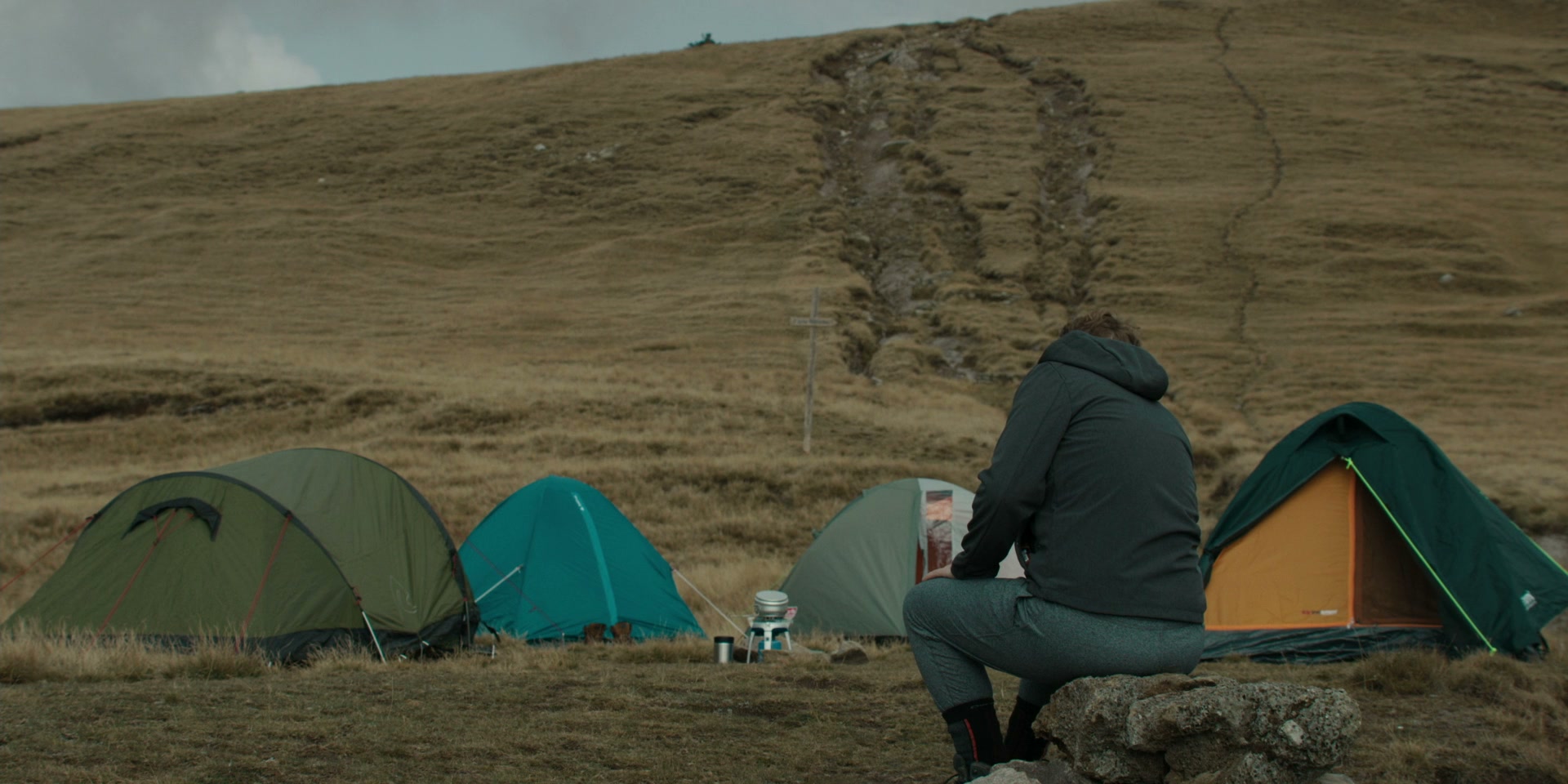
One of the questions looming over Octoblur this year is: How many 1970s movies about pale European women balancing sex and evil can I handle in one month? The first entry in this sub-genre is Harry Kümel’s renowned Daughters of Darkness (1971), about a honeymooning couple who strike up an uncomfortable relationship with some fellow tourists, who happen to be sexy vampires. The thing about a lot of Eurosleaze horror is that they are largely unconcerned with trivialities like plot, logic, and coherent action. These movies are vibes, and Daughters of Darkness nails it. Like a dreamy spell, it floats and seduces. Delphine Seyrig is the definition of European ennui as Countess Elizabeth Báthory, who is emotionally spent after centuries of bathing and drinking (hopefully not simultaneously) in maiden blood, and Andrea Rau, who seems to have inspired the music videos of Robert Palmer, is a strikingly iconic minion despite having nearly nothing to do except pout. This is the kind of movie in which nothing of substance really works, but if you’re in the right mood for it, it’s entrancing and the best of what this type of movie aims to achieve: blood and boobs in mesmerizing style. Killer music by François de Roubaix. This makes me excited to watch Kümel’s lesser-known Malpertuis (1972) for the first time later this month in a revival screening.

Octoblur 2026 #02: The Ritual (2017)

Directed by David Bruckner
Ranked 28.03% on Flickchart
Watched: 2026/10/01
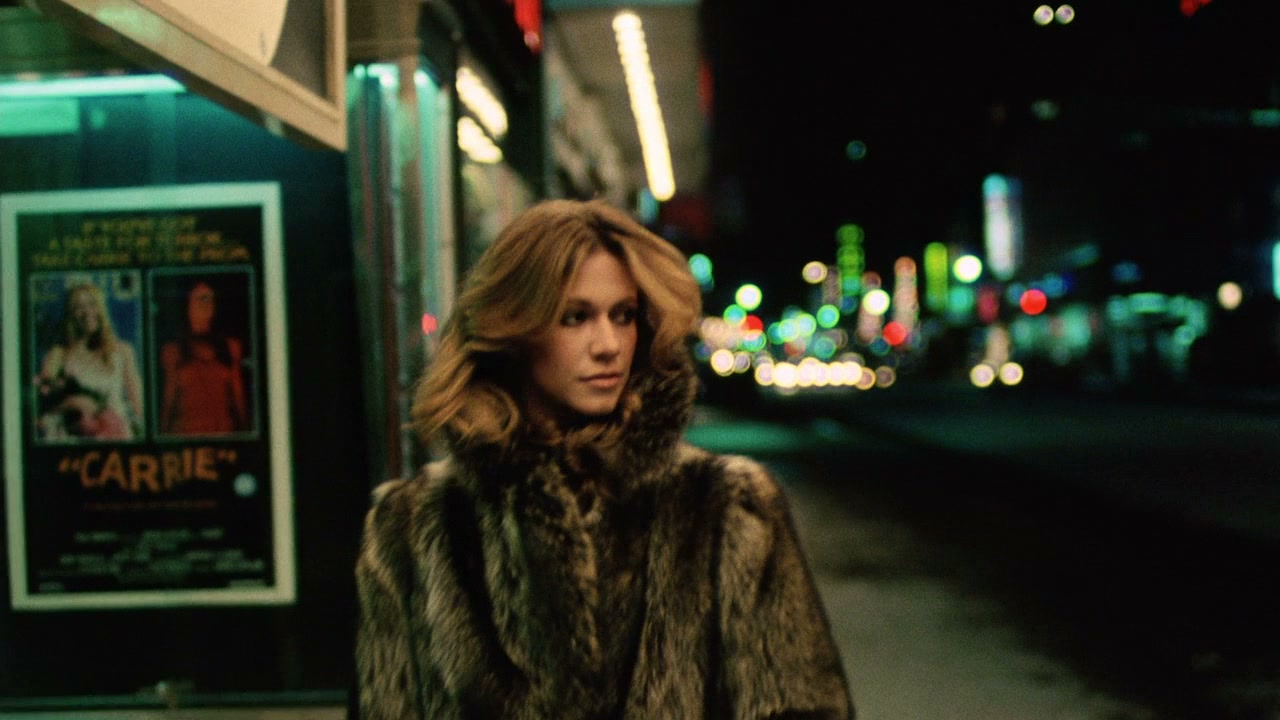
To kick off this month’s Nature Trail to Hell theme, I chose a movie that I’ve been hearing about for nearly a decade, David Bruckner’s The Ritual (2017). Following the tragic loss of a member of their group, four friends go hiking in the Swedish forest to alternately heal and blame each other, but recriminations take a backseat when they get tagged as potential sacrifices for a woodland demon who lives nearby. Although The Ritual looks great and has generally solid performances, it’s mired in the worst tropes of so-called “elevated horror.” It’s yet another horror-as-a-metaphor-for-trauma exercise, and the insertion of this past trauma into the present narrative is confusing and pandering, let alone completely unnecessary. It mars an otherwise decent folk horror monster encounter and requires every character to be a gloomy sad sack from the start. The Descent (2005), the far-superior cave monster movie to which The Ritual owes too great a debt, still manages to be somewhat lively in spite of its background sorrow, though it also goes awry when its past tragedies surface. When filmmakers try too hard to impose seriousness onto a monster movie, they almost always lose their way, so maybe The Ritual is an apt metaphor for the perils of "elevated horror."

Octoblur 2026 #01: Rabid (1977)

Directed by David Cronenberg

Ranked 56.25% on Flickchart
Watched: 2026/10/01
It’s been quite a few years since I last watched David Cronenberg’s Rabid (1977), and my Weird Women theme seemed like a decent opportunity to dust it off. It’s a movie that has stuck with me texturally – its brown tones, its earthy grains – more than it has narratively, and upon this rewatch that impression is confirmed. I love the look of Rabid, and Cronenberg is clearly forming as a director, with a more assured technique than he displayed on Shivers (1975) and a more confident exploration of his chronic fascination with the mingling of technology with goopy body holes, and the awful things that come in and out of them. But Rabid is pretty soggy as both a story and as a vehicle for tension. Adult actress Marylin Chamber stars as a motorcycle crash victim whose experimental reconstructive surgery comes with some unwanted viral side effects. Individual images are strong – Chambers is striking; there’s a fun car stunt; 1970s shopping malls have rarely looked better on film – but it’s pretty dull in between those moments, and Cronenberg doesn’t yet show any facility with his actors, who are uniformly poor. This should be of interest to fans of Julia Ducornau’s Raw (2016) and students of Cronenberg’s early work, but it isn’t until The Brood (1979) that I think he fully emerges as the body horror specialist of his generation.